

As a specialized sky lift truck, the daily maintenance of Chengli Group's aerial work platforms directly affects operational safety, equipment lifespan, and operational efficiency. It is necessary to strictly follow standardized procedures, pay attention to detail control, and ensure practical application to guarantee that maintenance work is carried out effectively. The following are detailed precautions.
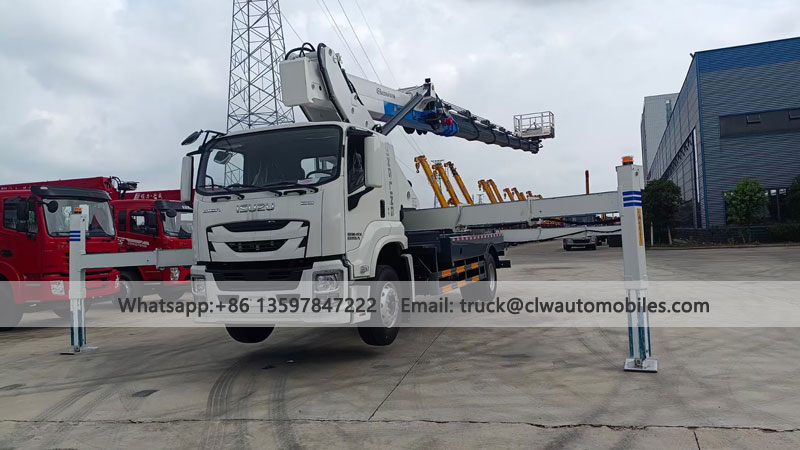
I. Operator Qualification Requirements. Maintenance personnel must be professionally trained and certified to operate the equipment. They must be familiar with the structural principles, operating procedures, and maintenance standards of Chengli Group's aerial work platforms. Untrained or uncertified personnel are strictly prohibited from performing maintenance work to avoid equipment damage or safety hazards caused by improper operation.
II. Daily Pre-Shift Maintenance and Inspection. Before operation, a comprehensive inspection of key equipment components is required: Hydraulic System: Check hydraulic oil level and quality, ensuring no leaks or deterioration; check hydraulic pipeline connections for secure connections to prevent impurities from entering the system and affecting operation; Electrical System: Check battery charge and wiring insulation; check lights and control switches for proper function; insulated aerial work platforms require additional insulation performance testing to prevent moisture-induced failure; Mechanical Components: Check boom for deformation or scratches; wire rope for looseness or broken strands; outrigger screws for flexible rotation; outrigger plates for wear.
III. Post-Operation Foundation Maintenance. After each day's work, promptly clean debris and mud from the vehicle body, boom, and work platform to prevent corrosion of equipment surfaces or jamming of mechanical parts; fully retract the outriggers into their positions, and when storing, support the outriggers on the ground to release the load on the tires and leaf springs; inspect the work platform guardrails, safety belts, and other protective devices to ensure they are intact, and promptly repair any damaged parts; turn off the equipment power, organize maintenance tools, and make preliminary maintenance records.
IV. Regular and Standardized Maintenance. Strictly follow the equipment manual and Chengli Group's requirements, and replace hydraulic oil, filters, and other wear parts according to the prescribed schedule. It is recommended to replace the hydraulic oil and clean the oil-air filter every six months; regularly check tire pressure and the braking system, tighten all bolts at connection points, and replace severely worn seals, bearings, and other components; insulated aerial work platforms require regular insulation performance testing to prevent impacts, dust accumulation, and conductive deposits on the insulated boom; strictly control the equipment load and avoid overloading to prevent affecting equipment stability and causing malfunctions.
VI. Troubleshooting and Recording. If leaks, component damage, or operational abnormalities are discovered during maintenance, the machine must be stopped immediately. Unauthorized disassembly and repair are strictly prohibited. Contact Chengli Group or professional technicians immediately for assistance. Establish a comprehensive maintenance record system, detailing the time, content, problems found, and results of each maintenance session. Archive these records regularly for future investigation, traceability, and full lifecycle management of the equipment. Strictly prohibit any unauthorized operations to ensure the aerial work platform is always in good working order.
V. Environmental and Storage Requirements. Avoid conducting maintenance work or storing equipment in severe weather conditions such as strong winds (wind speed not exceeding 12.5 m/s), heavy rain, high temperatures, or extreme cold. The equipment must be stored in a well-ventilated, dry, dedicated garage, avoiding direct sunlight, rain, and dust accumulation. Before storage, thoroughly clean the equipment to ensure all components are in normal parking condition and prevent rust and aging.